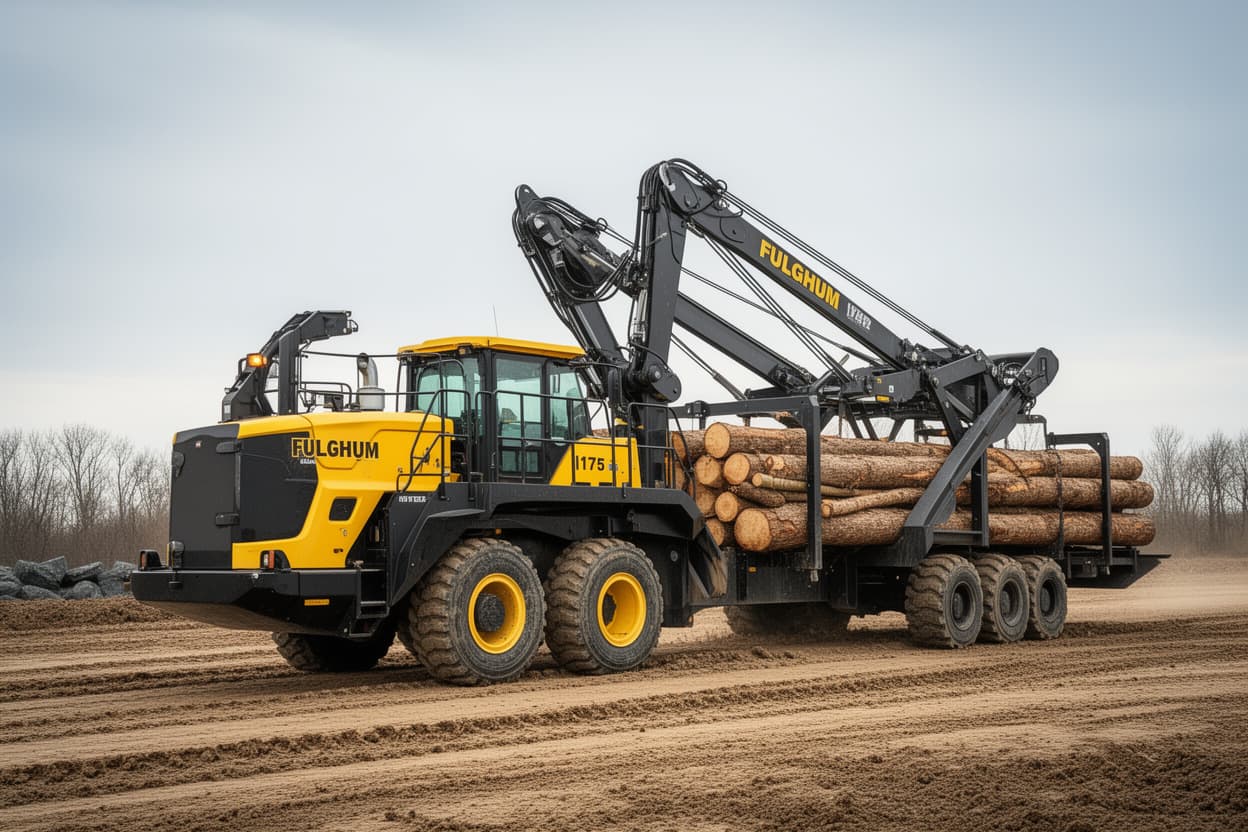
Fulghum 175ft Log Loader
The Fulghum 175ft Log Loader is a heavy-duty, stationary or mobile log handling machine designed for high-volume timber operations in South Africa, offering extended reach and robust performance for sorting, stacking, and loading logs efficiently.
Overview
The Fulghum 175ft Log Loader is a purpose-built machine engineered for demanding timber processing and handling environments. Known for its robust construction and extended reach, this log loader is a critical asset for sawmills, pulp mills, and large-scale logging operations across South Africa. Its design prioritises high throughput and durability, essential for the continuous operation required in the local timber industry.
This model is typically configured for stationary use, often mounted on a pedestal or a mobile base for flexibility within a large yard. The '175ft' designation refers to its impressive reach, allowing it to cover a significant area for sorting, stacking, and loading logs onto transport vehicles. Operators in South Africa appreciate its ability to handle various log sizes and weights, contributing to efficient yard management and reduced manual handling.
Key operational aspects include:
- High Capacity: Designed to manage large volumes of timber, reducing bottlenecks in processing.
- Extended Reach: The 175-foot reach allows for wide coverage, optimising yard layout and material flow.
- Durability: Built with heavy-duty components to withstand the harsh conditions and continuous operation typical of South African timber yards.
- Operator Comfort: Modern cabins often feature ergonomic controls and good visibility to enhance productivity and safety.
For South African contractors, the Fulghum 175ft represents a significant investment, but one that can yield substantial returns through improved efficiency and reduced operational costs in high-volume timber handling. Availability of parts and local service support are crucial considerations for long-term viability.
Key specs
- Year range
- 2025
- Boom Reach
- Approximately 53.3 meters (175 feet)
- Operating Weight
- 15,900 kg (estimated, base unit) (est.)
- Lift Capacity (Max)
- Varies by reach and configuration, typically 5,000 - 15,000 kg (est.)
- Engine Power
- Typically 150 - 250 kW (200 - 335 hp) diesel (est.)
- Grapple Type
- Various log grapples, continuous rotation
- Mounting Options
- Pedestal mount, mobile wheeled base, track-mounted (less common)
- Swing System
- Continuous 360-degree rotation
- Hydraulic System
- High-pressure, load-sensing
- Fuel Tank Capacity
- Typically 400 - 600 litres (est.)
- Transport Dimensions (Base)
- Varies significantly by configuration (est.)
- Operator Cab
- Enclosed, climate-controlled, elevated
- Control System
- Joystick controls, electronic monitoring
Specifications can vary based on specific configuration, engine choice, and optional attachments. The '175ft' refers to the approximate maximum boom reach.
Applications
- Sawmill log yard management
- Pulp mill woodyard operations
- Large-scale timber harvesting sites (central processing)
- Log sorting and grading
- Loading logs onto railcars or trucks
- Feeding debarkers and chippers
Features
- Heavy-duty steel construction for durability
- High-visibility, elevated operator cabin
- Ergonomic joystick controls for precise operation
- Robust hydraulic system for powerful lifting and swift cycles
- Continuous 360-degree swing for efficient material handling
- Modular design allowing for various mounting options
- Advanced engine management for fuel efficiency
- Integrated safety systems and emergency stops
Operating requirements
- Skilled and certified log loader operators
- Adequate clear space for boom swing and log handling
- Stable, level ground for stationary or mobile operation
- Regular maintenance schedule and access to spare parts
- Fuel supply (diesel) and hydraulic oil management
- Effective communication systems for yard coordination
- Compliance with local environmental and safety regulations
Attachments and options
Common attachments
- Various log grapples (e.g., butt-n-top, pulpwood, sorting)
- Delimber attachments (less common for this specific model, but possible)
- Magnet attachments (for scrap metal in mixed yards)
- Quick coupler systems for grapple changes
Options
- Different engine configurations (power output, emissions standards)
- Cab risers for increased visibility
- Auxiliary lighting packages for night operations
- Automatic greasing systems
- Cold weather packages (less critical for most SA regions)
- Telematics and fleet management systems
- Custom paint and branding
Maintenance and inspections
- Daily pre-operation checks (fluids, hoses, grapples)
- Regular lubrication of all pivot points and swing bearing
- Hydraulic system filter changes and oil analysis
- Engine oil and filter changes as per manufacturer schedule
- Inspection of boom and grapple for cracks or wear
- Checking electrical systems and safety interlocks
- Tyre or track inspection (for mobile configurations)
- Structural integrity checks on mounting base
Given the continuous duty cycle in South African timber operations, adherence to a strict preventative maintenance schedule is crucial to maximise uptime and extend the machine's lifespan. Access to genuine Fulghum parts or reliable aftermarket alternatives is a key consideration.
Safety notes
- ROPS/FOPS certified operator cabin
- Emergency stop buttons (inside cab and external)
- Load moment indicator system (LMI) to prevent overloading
- Audible travel alarm (for mobile units)
- High-visibility paint and reflective decals
- Fire suppression system (optional but recommended for timber operations)
- Operator presence detection system
- Clear line of sight and adequate lighting for work area
Buying checklist
- Verify the machine's actual boom reach and lift capacity for your specific application.
- Inspect the structural integrity of the boom, stick, and grapple for any signs of fatigue or repair.
- Check the condition of the swing bearing for smooth operation and excessive play.
- Review the engine service history and current condition (smoke, leaks, unusual noises).
- Assess the hydraulic system for leaks, responsiveness, and pump efficiency.
- Confirm the availability of spare parts and local dealer support in South Africa.
- Evaluate the operator cabin for comfort, functionality, and condition of controls.
- Obtain a detailed maintenance log and any inspection reports.
- Consider transport logistics and costs if the unit is stationary and needs relocation.
- Factor in the cost of any necessary attachments or modifications for your specific timber type.
FAQ
What does '175ft' refer to in the Fulghum 175ft Log Loader?
The '175ft' typically refers to the maximum horizontal reach of the loader's boom and stick assembly, allowing it to cover a large area for log handling.
Is the Fulghum 175ft Log Loader suitable for mobile operations in South Africa?
While primarily designed for stationary pedestal mounting, some configurations can be mounted on mobile wheeled or tracked bases for increased flexibility within a large timber yard. However, its size makes frequent long-distance transport challenging.
What kind of maintenance is critical for a log loader in a South African timber environment?
Due to dust, heavy loads, and continuous operation, critical maintenance includes daily greasing, regular hydraulic system checks, engine service, and frequent inspection of the boom, grapple, and swing bearing for wear and structural integrity. Proactive maintenance is key to preventing costly downtime.
What is the typical lifespan of a Fulghum 175ft Log Loader?
With proper maintenance and operation, a Fulghum log loader can have a very long operational life, often exceeding 20,000 to 30,000 hours. Its robust construction is designed for longevity in demanding applications.