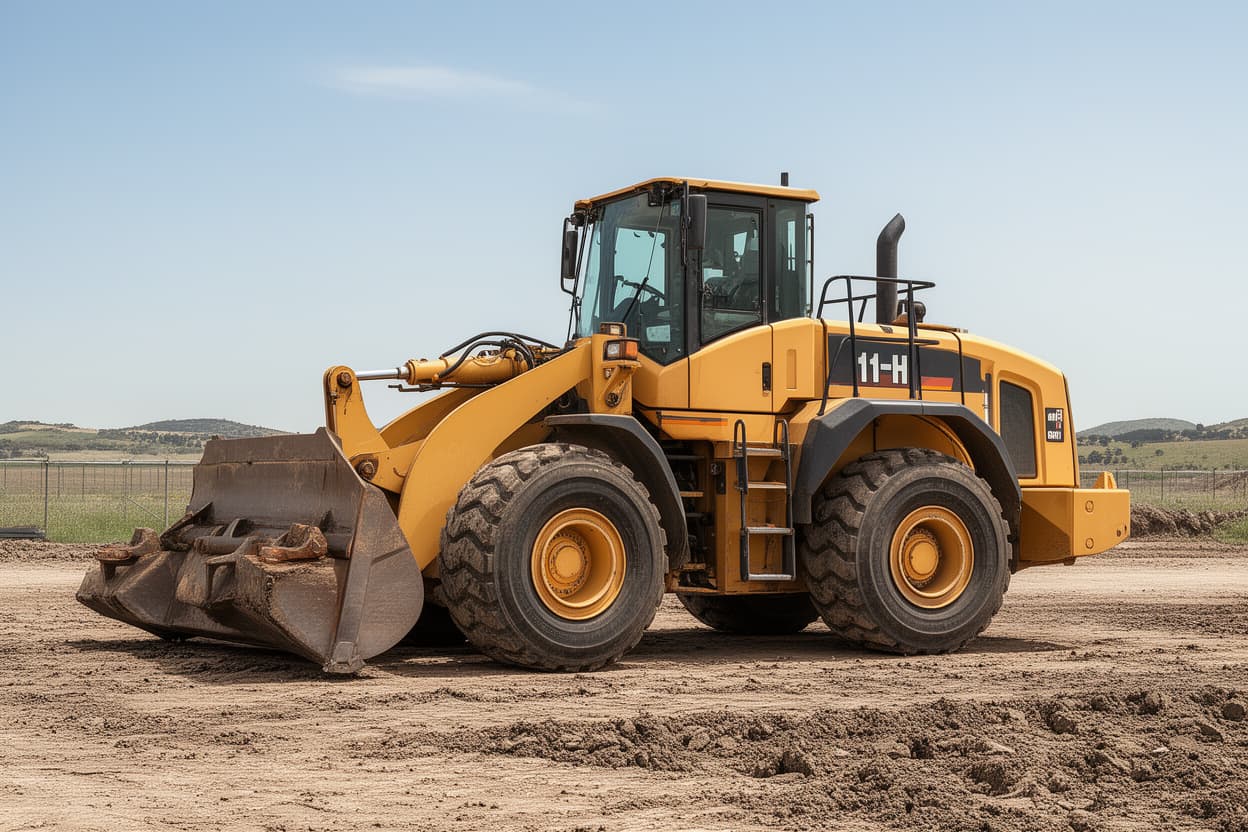
GHH 11-H Front End Loader
The GHH 11-H is a robust and compact front-end loader designed for demanding underground and surface mining applications, as well as heavy-duty material handling in South Africa. It offers a strong power-to-weight ratio, reliable performance, and operator comfort for efficient operations in challenging environments.
Overview
The GHH 11-H Front End Loader is engineered for tough conditions, making it a suitable choice for South African mining, quarrying, and heavy industrial operations. As part of GHH's commitment to robust and reliable machinery, the 11-H model focuses on durability, operational efficiency, and operator safety. Its compact design, combined with significant breakout force, allows it to perform effectively in confined spaces often encountered in underground mining, while still being versatile enough for surface applications.
Operators in South Africa will appreciate the machine's straightforward controls and ergonomic cabin, designed to reduce fatigue during long shifts. The GHH 11-H is built with components that are known for their longevity and ease of maintenance, which is crucial for minimising downtime in remote or high-production environments. Its hydraulic system is optimised for quick cycle times, contributing to higher productivity rates, a key factor for profitability in the competitive South African earthmoving sector.
Key considerations for South African buyers include:
- Robust Construction: Designed to withstand the harsh operating conditions prevalent in local mines and quarries.
- Component Accessibility: Engineered for ease of service, reducing maintenance time and costs.
- Operator Comfort & Safety: A focus on ergonomic controls and safety features to protect personnel and enhance productivity.
- Local Support: Availability of parts and technical support network is critical for sustained operation.
The GHH 11-H represents a significant investment, but its potential for high output and reliability makes it an attractive option for contractors and mining houses looking for a dependable workhorse.
Key specs
- Years produced
- 2025–2025
- Year range
- 2025
- Operating Weight
- 12,500 kg
- Engine Power
- Approximately 130-150 kW (est.)
- Standard Bucket Capacity
- 2.5 - 3.5 m³ (est.)
- Rated Payload
- 5,000 - 6,000 kg (est.)
- Breakout Force
- Approximately 100-120 kN (est.)
- Dump Height (Max)
- Around 2,800 - 3,200 mm (est.)
- Overall Length (Bucket on Ground)
- Approximately 7,500 - 8,000 mm (est.)
- Overall Width
- Approximately 2,200 - 2,500 mm (est.)
- Overall Height (Cabin)
- Approximately 2,500 - 2,800 mm (est.)
- Transmission Type
- Hydrostatic or Powershift (est.)
- Fuel Tank Capacity
- Approximately 200-250 litres (est.)
- Tyre Size
- Commonly 17.5-25 or 20.5-25 (est.)
Specifications are estimates based on typical GHH loader models in this weight class and may vary with specific configurations and market releases.
Applications
- Underground mining (load-haul-dump operations)
- Surface quarrying and aggregate handling
- Heavy industrial material handling (e.g., steel mills, ports)
- Tunneling and civil engineering projects
- Stockpile management and re-handling
Features
- Robust, heavy-duty chassis for demanding environments
- Ergonomic operator cabin with good visibility and climate control
- High-performance hydraulic system for fast cycle times
- Efficient engine with modern emissions compliance (e.g., Tier 3/Stage IIIA or higher)
- Centralised lubrication points for simplified maintenance
- Advanced telematics and diagnostic systems (optional)
- Heavy-duty axles and transmission for reliability
Operating requirements
- Skilled and certified front-end loader operators
- Regular pre-shift inspections and daily maintenance checks
- Adequate ventilation in underground operations
- Appropriate ground conditions for optimal traction and stability
- Access to quality diesel fuel and lubricants
- Compliance with site-specific safety protocols and PPE requirements
Attachments and options
Common attachments
- General purpose buckets (various capacities)
- Heavy-duty rock buckets with wear plates and teeth
- Ejector buckets for sticky materials
- Pallet forks (for specific material handling tasks)
- Tyre protection chains (for abrasive environments)
Options
- Automatic lubrication system
- Fire suppression system
- Reverse camera and proximity sensors
- Specialised lighting packages for low-light conditions
- Cold weather starting aids
- Custom bucket configurations (e.g., high-dump, light material)
- ROPS/FOPS certified cabin
Maintenance and inspections
- Daily visual inspections (fluid levels, tyre pressure, leaks)
- Regular engine oil and filter changes (as per manufacturer schedule)
- Hydraulic system filter replacement and oil analysis
- Greasing of all pivot points and articulation joints
- Brake system inspection and adjustment
- Tyre condition and pressure monitoring
- Structural integrity checks of chassis and boom
Adherence to GHH's recommended service intervals and use of genuine parts are crucial for maintaining warranty and ensuring longevity in South African operating conditions.
Safety notes
- ROPS/FOPS certified cabin for operator protection
- Emergency stop buttons (internal and external)
- Multi-disc wet brakes for reliable stopping power
- Audible reverse alarm and flashing beacon
- Non-slip surfaces on access ladders and platforms
- Automatic parking brake engagement
- Clear visibility from the operator's station
Buying checklist
- Verify engine specifications and emissions compliance for local regulations.
- Inspect the condition of the bucket, cutting edge, and teeth for wear.
- Check hydraulic cylinders, hoses, and connections for leaks or damage.
- Assess the cabin for operator comfort, functionality of controls, and air conditioning.
- Review service history and maintenance records (if applicable for used models).
- Confirm availability of spare parts and local dealer support in your region.
- Evaluate the machine's suitability for your specific application and material density.
- Consider the total cost of ownership, including fuel consumption and maintenance.
- Arrange for a pre-purchase inspection by a qualified technician.
- Negotiate warranty terms, especially for new machines.
FAQ
What makes the GHH 11-H suitable for South African mining?
The GHH 11-H is built with a robust chassis and heavy-duty components designed to withstand the harsh, abrasive, and often confined conditions found in South African underground and surface mines. Its focus on reliability and ease of maintenance is critical for high-uptime operations.
What is the typical fuel consumption for a GHH 11-H?
Fuel consumption for a loader of this size (12.5-ton operating weight) can vary significantly based on application, operator technique, and engine load. Expect a range of 15-25 litres per hour under typical working conditions, but this is an estimate and can be higher in demanding cycles. (est.)
Are GHH parts and service readily available in South Africa?
GHH has a presence and dealer network in South Africa, particularly catering to the mining sector. It's crucial to confirm the specific availability of parts and technical support in your operational area before purchase to ensure minimal downtime.
Can the GHH 11-H be used for both underground and surface operations?
Yes, the GHH 11-H is designed with versatility in mind. Its compact size and robust build make it suitable for underground load-haul-dump tasks, while its power and bucket capacity also allow for efficient material handling in surface quarries and industrial sites.