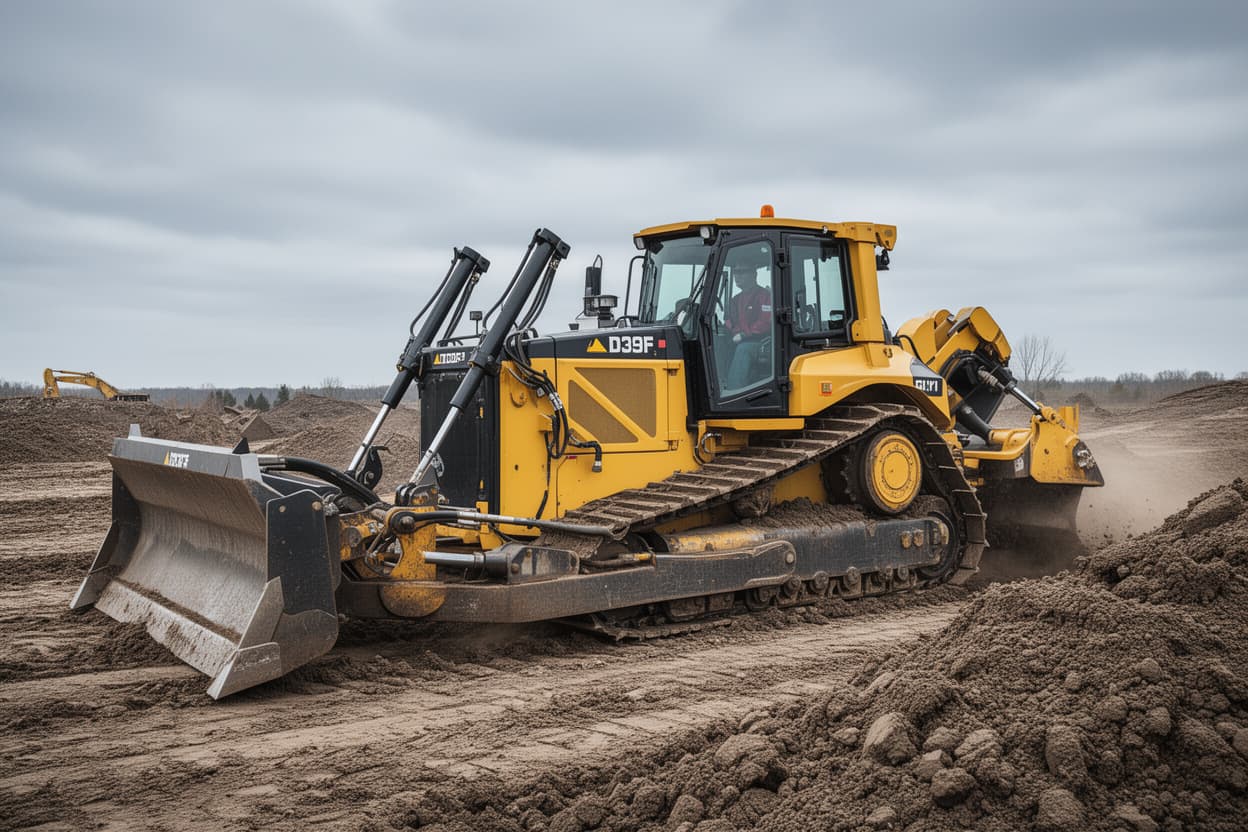
GIYI D39F Trencher
The GIYI D39F is a heavy-duty, track-mounted trencher designed for demanding trenching applications in South Africa, offering high productivity, precision, and durability for utility installation, pipeline projects, and civil engineering works. Its robust construction and powerful engine make it suitable for various ground conditions.
Overview
The GIYI D39F trencher represents a significant investment for South African contractors requiring reliable and efficient trenching capabilities. Engineered for challenging conditions, this machine combines a powerful engine with a heavy-duty cutting chain to tackle a wide range of soil types, from soft ground to hard rock. Its track-mounted design ensures excellent stability and traction on uneven terrain, which is crucial for many local construction sites.
Operators will appreciate the D39F's focus on productivity and precision. The advanced hydraulic system allows for fine control over trench depth and width, ensuring consistent results and minimising over-excavation. This not only saves time but also reduces material backfill costs. The machine's robust chassis and components are built to withstand the rigours of continuous operation, a key consideration for plant hire companies and large-scale infrastructure projects where uptime is paramount.
Key aspects that make the GIYI D39F a compelling choice for the South African market include:
- Adaptability: Capable of handling diverse ground conditions, from sandy soils to calcrete and weathered rock, common across the country.
- Operator Comfort: Modern cab designs often include air conditioning, ergonomic controls, and good visibility, reducing fatigue during long shifts.
- Maintenance Access: Designed with ease of service in mind, allowing for quicker routine checks and repairs, which is vital for maintaining tight project schedules.
- Local Support: While GIYI is an emerging brand, the availability of parts and technical support in South Africa is a critical factor for long-term operational success. Buyers should verify the local dealer network and parts supply chain.
The D39F is positioned as a high-performance solution for contractors looking to enhance their trenching efficiency and take on larger, more complex projects. Its substantial weight and power output indicate its suitability for major utility installations, fibre optic rollouts, and agricultural drainage systems.
Key specs
- Years produced
- 2025–2025
- Year range
- 2025
- Operating Weight
- 27,500 kg
- Engine Power
- 200-250 kW (estimated) (est.)
- Max Trench Depth
- 2.5 - 3.5 m (estimated) (est.)
- Max Trench Width
- 300 - 600 mm (estimated) (est.)
- Cutting Chain Type
- Heavy-duty rock chain with carbide teeth
- Track Type
- Steel tracks with grousers
- Travel Speed (Max)
- 5-8 km/h (estimated) (est.)
- Fuel Tank Capacity
- 400-500 litres (estimated) (est.)
- Hydraulic System Pressure
- 250-300 bar (estimated) (est.)
- Ground Pressure
- 0.5 - 0.7 kg/cm² (estimated) (est.)
- Transport Length
- 10-12 m (estimated) (est.)
- Transport Width
- 2.5-3.0 m (estimated) (est.)
Specifications are estimates based on typical heavy-duty trenchers in this weight class and may vary. Consult official GIYI documentation for precise figures.
Applications
- Utility trenching (water, sewer, gas, electricity)
- Fibre optic cable installation
- Pipeline construction (small to medium diameter)
- Agricultural drainage and irrigation systems
- Road construction and widening projects (edge drainage)
- Foundation preparation for large structures
Features
- Heavy-duty cutting chain with interchangeable carbide teeth for various ground conditions
- Advanced hydraulic system for precise control of trench depth and width
- Robust track undercarriage for superior traction and stability on uneven terrain
- Ergonomic operator cabin with climate control and excellent visibility
- Integrated diagnostic system for simplified troubleshooting and maintenance
- Automatic depth control for consistent trenching
- High-capacity fuel tank for extended operating periods
Operating requirements
- Skilled and certified trencher operator with experience in local ground conditions
- Regular pre-shift inspections and daily maintenance checks
- Adequate fuel supply (diesel) and hydraulic oil
- Access to water for dust suppression in dry conditions (if applicable)
- Support vehicle for transport of cutting teeth, spare parts, and fuel
- Compliance with local safety regulations and trenching standards
- Clearance of underground services prior to excavation
Attachments and options
Common attachments
- Various cutting chain widths and tooth configurations (e.g., cup teeth, rock teeth)
- Crumber bar for cleaning the trench bottom
- Spoil conveyor extensions for wider spoil dispersal
- Laser grading system for enhanced depth accuracy
Options
- Cold weather starting package
- Additional work lights for night operation
- GPS-enabled trenching guidance system
- Fire suppression system
- Heavy-duty guarding for extreme applications
- Custom paint schemes for fleet identification
Maintenance and inspections
- Daily inspection of cutting chain, teeth, and sprockets for wear and damage
- Regular lubrication of all grease points as per manufacturer's schedule
- Checking hydraulic fluid levels and condition, and filter replacement
- Engine oil and filter changes at specified intervals
- Inspection of track tension and undercarriage components
- Cleaning of air filters and radiator to prevent overheating
- Monitoring of electrical systems and battery condition
Adherence to the manufacturer's maintenance schedule is crucial for optimal performance and longevity, especially given the demanding operating conditions in South Africa.
Safety notes
- ROPS/FOPS certified cabin for operator protection
- Emergency stop buttons easily accessible from operator station
- Audible and visual alarms for reverse travel and critical system faults
- Clear visibility from the operator's seat, supplemented by mirrors and cameras
- Safety interlocks to prevent accidental machine operation
- Proper guarding around moving parts (e.g., cutting chain, conveyor)
- Comprehensive operator manual with safety guidelines and procedures
Buying checklist
- Verify the local GIYI dealer network and parts availability in your region of South Africa.
- Inquire about warranty terms and post-sales support, including technician availability.
- Request a demonstration of the machine's capabilities on a similar ground type to your typical projects.
- Evaluate the total cost of ownership, including fuel consumption, maintenance, and wear parts.
- Assess operator training programs offered by the dealer.
- Confirm compliance with South African safety standards and environmental regulations.
- Review financing options and potential trade-in values for existing equipment.
- Check the machine's transport dimensions and weight against your logistics capabilities and road regulations.
FAQ
What kind of ground conditions can the GIYI D39F handle?
The GIYI D39F is designed for versatility, capable of trenching through a range of materials from soft soils and clay to calcrete, weathered rock, and even some harder rock formations, especially when fitted with appropriate carbide-tipped cutting teeth.
Is parts availability a concern for GIYI equipment in South Africa?
As GIYI is an emerging brand, it's crucial to confirm the strength of their local dealer network and parts supply chain before purchase. Reputable dealers will stock common wear parts and have efficient logistics for larger components to minimise downtime for South African contractors.
What are the typical applications for a trencher of this size?
A heavy-duty trencher like the D39F is ideal for large-scale infrastructure projects, including major utility installations (water, sewer, gas, fibre optics), long-distance pipeline construction, and extensive agricultural drainage systems where deep and consistent trenches are required.
How does the D39F compare to other trenchers in its class?
The D39F is positioned as a robust, high-performance option. Its competitive edge will likely come from a combination of its power, build quality, and potentially a favourable price point compared to established brands, while offering comparable productivity and reliability for demanding South African conditions.