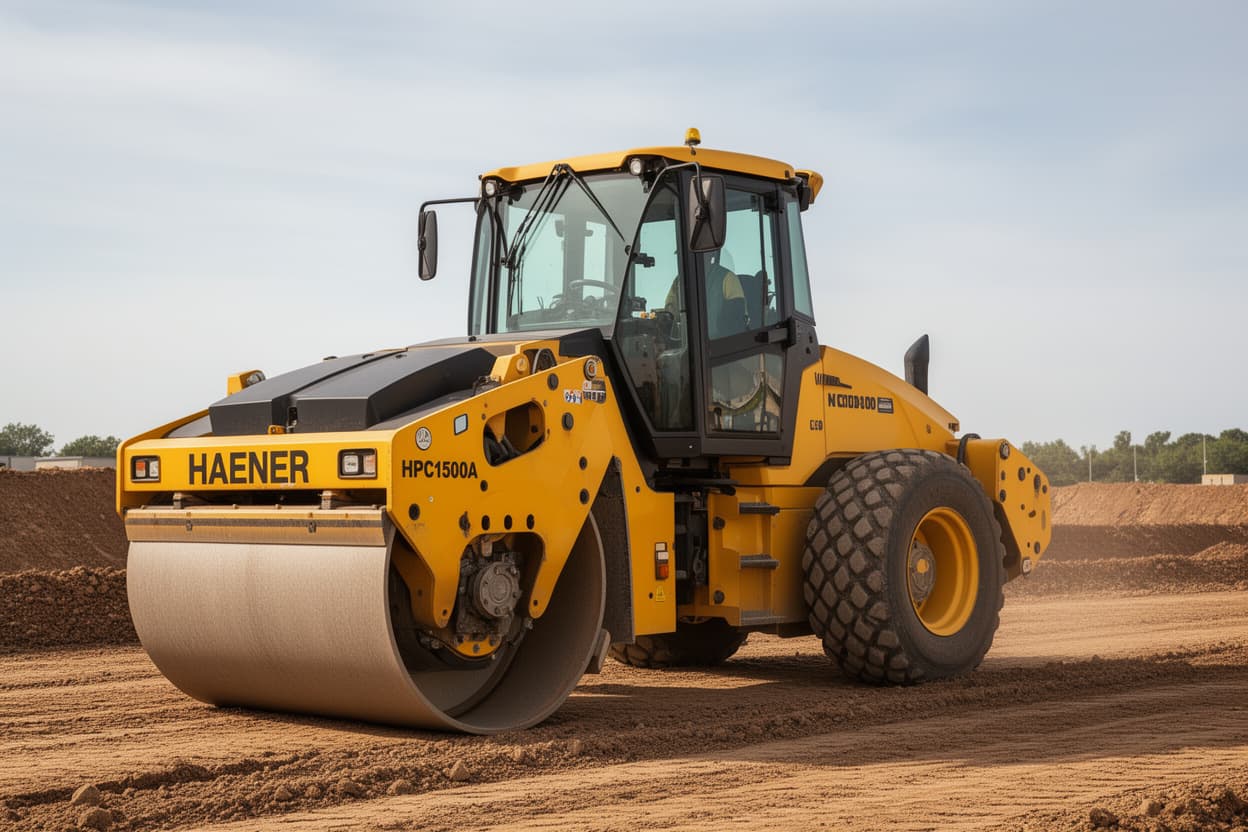
Haener HPC1500A Vibratory Compactor
The Haener HPC1500A is a compact and versatile vibratory compactor designed for efficient soil and asphalt compaction on small to medium-sized projects in South Africa. It offers a good balance of power, manoeuvrability, and reliability for contractors needing a robust yet easy-to-operate machine.
Overview
The Haener HPC1500A vibratory compactor is positioned as a reliable workhorse for various compaction tasks across South Africa. Its design prioritises ease of operation and maintenance, making it suitable for both experienced operators and those new to compaction equipment. This model is particularly well-suited for projects where space is limited, or where larger, heavier rollers would be impractical or uneconomical.
Key to its appeal is its robust construction, engineered to withstand the demanding conditions often encountered on South African construction sites, from urban developments to rural infrastructure projects. The HPC1500A aims to deliver consistent compaction results, contributing to the longevity and stability of compacted surfaces, whether it's a new road base, a trench backfill, or a small asphalt patch.
Operators will appreciate the machine's intuitive controls and ergonomic design, which help reduce fatigue during long shifts. Furthermore, Haener's focus on readily available parts and a growing service network in South Africa ensures that downtime is minimised, a critical factor for plant hire companies and contractors operating on tight schedules.
- Typical Applications
- Road and pavement repair, trench compaction, foundation preparation, landscaping, sports field construction.
- Operational Benefits
- High compaction force relative to its size, excellent manoeuvrability, low operating costs, and straightforward maintenance procedures.
Key specs
- Years produced
- 2025–2025
- Year range
- 2025
- Operating Weight
- 1500 kg
- Engine Power
- 15-20 kW (20-27 hp) (est.)
- Vibration Frequency
- 60-70 Hz (est.)
- Centrifugal Force
- 20-25 kN (est.)
- Drum Width
- 800-900 mm (est.)
- Travel Speed (Forward)
- 0-8 km/h (est.)
- Gradeability
- 25-30% (est.)
- Fuel Tank Capacity
- 20-25 Litres (est.)
- Water Tank Capacity
- 50-60 Litres (est.)
- Starting Method
- Electric Start
- Steering Type
- Articulated
- Vibration System
- Dual Drum Vibration
Specifications are typical for this class of machine and may vary slightly based on specific configurations or regional models.
Applications
- Asphalt patching and repair
- Sub-base and base course compaction for roads
- Trench backfill compaction for utility installations
- Foundation preparation for small buildings and structures
- Landscaping projects and sports field construction
- Compaction of granular and cohesive soils
Features
- Hydrostatic drive for smooth operation and precise control
- Articulated steering for excellent manoeuvrability in confined spaces
- Dual drum vibration for effective and uniform compaction
- Pressurised water spray system to prevent asphalt sticking
- Ergonomically designed operator platform with intuitive controls
- Foldable ROPS (Roll-Over Protective Structure) for transport and safety
- Easy access points for routine maintenance and servicing
Operating requirements
- Competent operator trained in vibratory compactor operation and safety
- Regular refuelling with appropriate diesel fuel
- Access to clean water for the spray system, especially for asphalt work
- Adherence to site-specific safety protocols and PPE requirements
- Suitable transport for moving the 1.5-ton machine between sites
- Understanding of soil types and compaction targets for optimal results
- Daily pre-operation checks and basic cleaning
Attachments and options
Common attachments
- Smooth drum (standard)
- Padfoot shell kit (for cohesive soils, optional)
- LED work lights for low-light conditions
Options
- Biodegradable hydraulic oil
- Custom paint schemes for fleet branding
- Extended warranty packages
- Telematics system for fleet management and tracking
- Additional safety beacons and alarms
Maintenance and inspections
- Daily visual inspection of drums, hoses, and fluid levels
- Regular engine oil and filter changes as per manufacturer schedule
- Checking and adjusting drive belt tension
- Lubrication of articulation points and other grease nipples
- Cleaning of air filter and radiator fins
- Inspection of water spray system nozzles and filters
- Checking hydraulic fluid levels and condition
Adhering to the manufacturer's recommended service intervals is crucial for machine longevity and optimal performance, especially given the demanding South African operating conditions.
Safety notes
- ROPS (Roll-Over Protective Structure) as standard
- Seatbelt for operator restraint
- Emergency stop button within easy reach
- Audible reverse alarm
- Clear visibility from the operator's station
- Drum scrapers to prevent material build-up
- Safety decals and operating instructions clearly visible
Buying checklist
- Verify the machine's service history and maintenance records (if used)
- Inspect drums for excessive wear, cracks, or damage
- Check engine for leaks, unusual noises, and proper starting
- Test all controls, including steering, vibration, and water spray
- Assess the availability of spare parts and service support in your region of South Africa
- Confirm the machine's compliance with local safety regulations
- Evaluate transport logistics and costs for your operational areas
- Compare total cost of ownership, including fuel, maintenance, and potential downtime
- Request a demonstration on a typical job site if possible
FAQ
What types of materials can the Haener HPC1500A compact?
The HPC1500A is versatile and can effectively compact a range of materials including granular soils (sand, gravel), cohesive soils (clay, silt), and asphalt mixes for various applications.
Is the HPC1500A suitable for large road construction projects?
While capable, the HPC1500A is generally better suited for small to medium-sized projects, trench compaction, and asphalt patching. For large-scale road construction, larger vibratory rollers would typically be more efficient.
What is the typical fuel consumption for this compactor?
Fuel consumption varies significantly with engine load and operating conditions, but operators can expect an average consumption of around 3-5 litres per hour under typical working conditions. (est.)
How does Haener support its equipment in South Africa?
Haener typically operates through a network of authorised dealers and service centres across South Africa, providing parts, technical support, and maintenance services to ensure machine uptime.