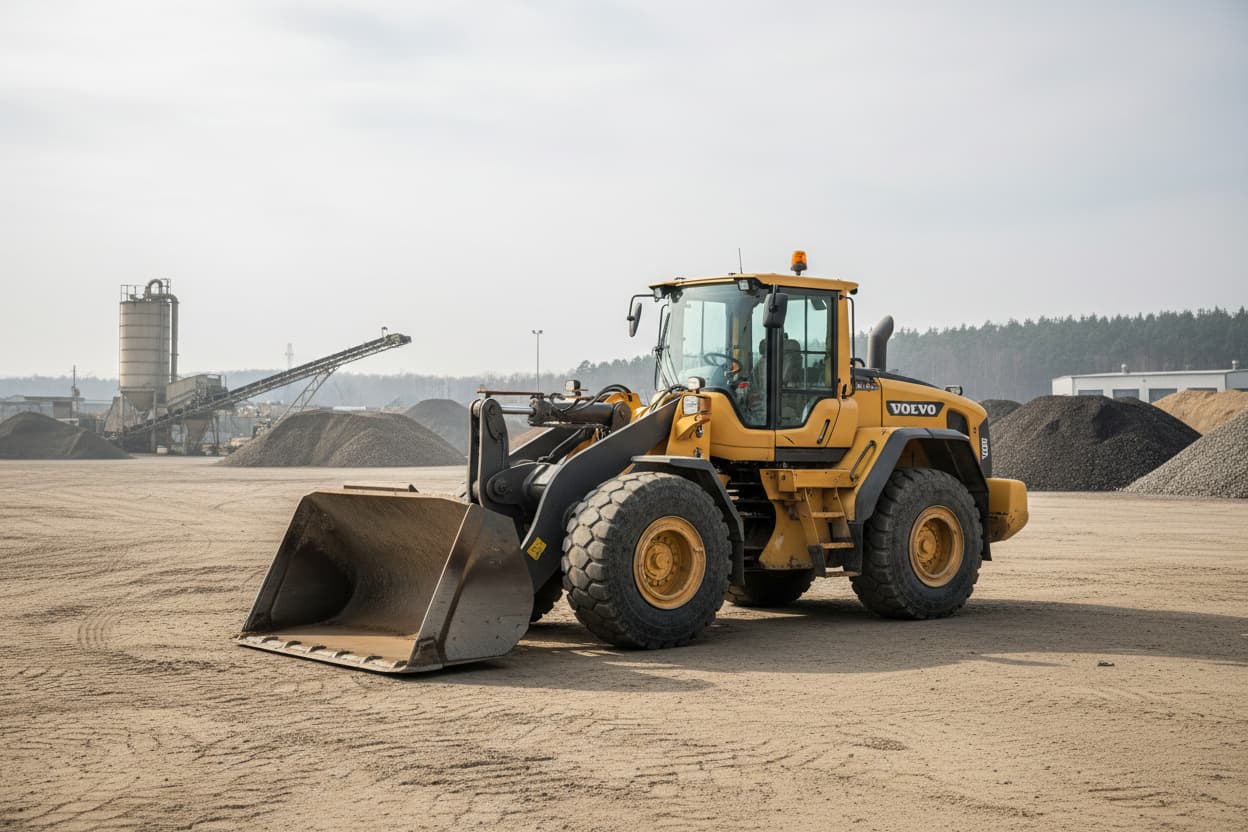
Volvo L90H Wheel Loader (2016-2024)
The Volvo L90H is a versatile and fuel-efficient wheel loader, ideal for a wide range of material handling and loading applications in South Africa.
Overview
The Volvo L90H wheel loader is engineered for superior performance and efficiency, making it a popular choice across various industries in South Africa. Known for its robust build and advanced technology, the L90H delivers excellent productivity in demanding conditions. Its powerful Volvo engine, combined with intelligent hydraulics, ensures optimal fuel consumption without compromising on power. Operators benefit from a comfortable and safe cab, designed for maximum visibility and reduced fatigue during long shifts. The L90H is highly adaptable, capable of handling diverse tasks from aggregate loading to waste management, thanks to its wide range of compatible attachments.
Key specs
- Operating Weight
- 17,000 kg
- Engine Power
- 137 kW (184 hp)
- Bucket Capacity
- 2.5 - 5.0 m³
- Breakout Force
- 135.7 kN
- Tipping Load (Straight)
- 11,500 kg
- Max Speed
- 40 km/h
Applications
- Aggregate loading
- Material handling
- Construction sites
- Quarry operations
- Waste management
- Road building
- Agricultural bulk handling
Features
- Volvo D6J engine with OptiShift technology
- Torque Parallel (TP) linkage for high breakout force
- Load-sensing hydraulic system
- Comfort Drive Control (CDC)
- ROPS/FOPS certified cab with excellent visibility
- Automatic climate control
- Easy service access points
- Eco pedal for fuel efficiency
Operating requirements
- Competent and certified operator
- Regular pre-shift inspections
- Adherence to site-specific safety protocols
- Appropriate personal protective equipment (PPE)
- Suitable ground conditions for safe operation
Attachments and options
Common attachments
- General purpose buckets
- Heavy-duty buckets
- Light material buckets
- Grapples
- Pallet forks
- Sweepers
- Snow ploughs
Options
- Boom suspension system (BSS)
- Automatic lubrication system
- Reversible cooling fan
- Additional work lights
- Centralised greasing points
- Tyre options for various terrains
- Telematics system (CareTrack)
Maintenance and inspections
- Daily fluid level checks (engine oil, coolant, hydraulic fluid)
- Greasing of pivot points as per manufacturer schedule
- Regular inspection of tyres for wear and pressure
- Air filter cleaning/replacement
- Hydraulic filter replacement
- Engine oil and filter changes at recommended intervals
- Brake system inspection and adjustment
Adhering to Volvo's recommended service schedule is crucial for maintaining optimal performance, fuel efficiency, and longevity of the L90H.
Safety notes
- ROPS/FOPS certified cab
- Emergency stop button
- Rear-view camera system (optional)
- Audible reverse alarm
- Seat belt interlock
- Anti-slip steps and platforms
- LED lighting for enhanced visibility
Buying checklist
- Verify service history and maintenance records
- Inspect engine, transmission, and hydraulic systems for leaks or damage
- Check tyre condition and remaining tread life
- Evaluate cab condition and functionality of controls
- Confirm ROPS/FOPS certification and structural integrity
- Test drive the machine to assess operational performance
- Obtain a professional inspection if purchasing used
- Confirm availability of parts and service support in your region
FAQ
What is the typical fuel consumption of a Volvo L90H?
Fuel consumption varies significantly based on application, operator technique, and load. However, the L90H is designed with Volvo's OptiShift and Eco pedal features to optimise fuel efficiency, often resulting in lower consumption compared to competitors in its class.
Is the Volvo L90H suitable for heavy-duty quarry work?
Yes, the L90H, with its robust TP linkage and powerful engine, is well-suited for heavy-duty quarry applications, including loading blasted rock and aggregates. Selecting the appropriate heavy-duty bucket is essential.
What is the lifting capacity of the Volvo L90H?
The static tipping load (straight) for the Volvo L90H is approximately 11,500 kg. Actual lifting capacity will depend on the attachment, load centre, and machine configuration.